Meet successful sugar daddies and confident sugar babies on the world’s leading sugar dating app. Join free today.
📌 Official 2026 Relationship Standards (Updated February 2026): As the US elite dating scene matures, distinguishing between niche lifestyle dynamics and professional partnerships is essential. This guide analyzes the core differences between BDSM and sugar dating for a Sugar Daddy in 2026, prioritizing honest & beneficial relationships and clear consent.
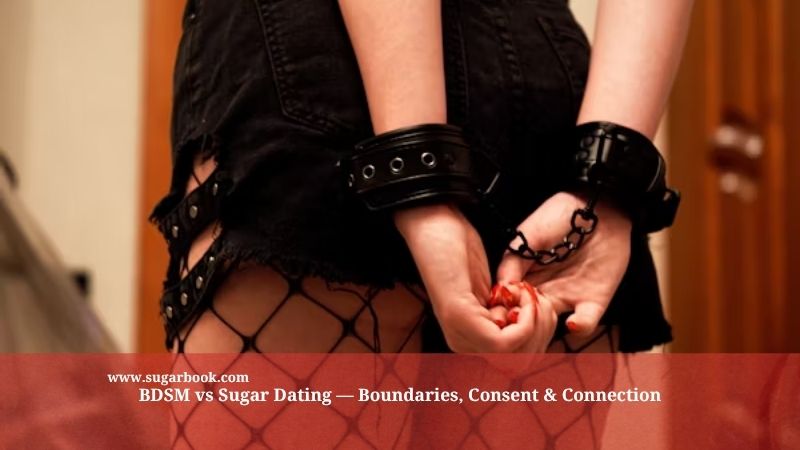
While BDSM and sugar dating both rely on clear boundaries, they serve distinct purposes in the modern US market. BDSM focuses on power dynamics and negotiated roles, whereas sugar dating centers on lifestyle support and professional mentorship. For a Sugar Daddy, success is built on an honest & beneficial relationship established through agreed arrangements and verified trust on platforms like Sugarbook.
Contents
The US Perspective: Defining BDSM vs. Sugar Dating in 2026
In the evolving landscape of modern US relationships, there is a growing curiosity regarding the nuances of BDSM vs. sugar dating. These two models are frequently misunderstood or interchangeably discussed, yet their intentions, emotions, and expectations are fundamentally distinct. For a successful Sugar Daddy in the United States, understanding these boundaries is the first step toward establishing an honest & beneficial relationship that aligns with your professional lifestyle.
Whether you are exploring emotional intensity or seeking lifestyle support, choosing a platform that understands these nuances is critical. With Sugarbook leading the industry in 2026, the focus remains on facilitating a beneficial connection grounded in transparency. By moving beyond common misconceptions, members can focus on an agreed arrangement that prioritizes discreet relationship efficiency and mutual respect, ensuring that every traditional partnership is established with verified trust.
BDSM Basics vs Sugar Relationships
Definitions: What Is BDSM? What Is Sugar Dating?
BDSM stands for:
-
Bondage and Discipline
-
Dominance and Submission
-
Sadism and Masochism
It’s a wide umbrella covering everything from light roleplay to deep psychological dynamics, often sexual in nature and always consensual.
Sugar dating, on the other hand, involves a consensual relationship where one person (often older or more established) provides financial or lifestyle support to another (typically younger), in exchange for time, companionship, or affection.
Core Values and Principles in Each
| Principle | BDSM | Sugar Dating |
|---|---|---|
| Power dynamic | Central | Sometimes present |
| Consent | Explicit and constant | Implied but negotiated |
| Emotional focus | Varies widely | Often more lifestyle/emotionally casual |
| Financial exchange | Rare, usually informal | A defining element |
Understanding these foundations is crucial to distinguishing bdsm vs sugar dating.
Consent in BDSM vs Sugar Dating
Consent in BDSM is built into the experience. It’s negotiated, documented, and reinforced through safewords, contracts, or pre-scene discussions.
In sugar dating, consent is just as important — but often more subtle. It might involve setting clear terms about:
-
Allowances or support
-
Frequency of meetings
-
Boundaries in emotional or physical intimacy
Platforms like Sugarbook encourage clear communication to avoid assumptions and ensure mutual understanding.
What Are the Rules? Relationship Structures Explored
Roles and Power Dynamics
In BDSM:
-
There are defined roles such as Dom, Sub, Switch, or Top/Bottom.
-
Roles may be sexual, emotional, or both.
-
Some relationships involve Total Power Exchange (TPE).
In sugar dating:
-
Roles are more financial and lifestyle-based: Sugar Daddy/Mama vs Sugar Baby.
-
Power is usually shared or transactional — not deeply embedded in emotional control.
Contracts, Agreements, and Negotiation
BDSM commonly uses contracts (formal or informal) to establish limits and intentions.
Sugar relationships use agreements too, often in the form of:
-
Verbal understanding
-
In-app messages on platforms like Sugarbook
-
Allowance discussions or expectations
Both models require honest negotiation, but BDSM tends to emphasize emotional control, while sugar dating leans toward lifestyle structure.
Communication Styles: Kink vs Lifestyle
BDSM partners often hold detailed debriefing sessions after play, discussing emotional response, physical comfort, and role satisfaction.
Sugar dating communication is typically more focused on:
-
Availability
-
Lifestyle goals
-
Compatibility and chemistry
Each dynamic requires clarity and respect, but the depth and purpose of communication vary.
Where They Overlap and Where They Don’t
Despite their differences, both bdsm vs sugar dating prioritize consent, communication, and clear boundaries.
In BDSM, this might involve:
-
Safewords
-
Written or verbal contracts
-
Emotional aftercare routines
In sugar dating, this could look like:
-
Agreed financial support
-
Transparency on exclusivity
-
Rules around privacy and discretion
Both models thrive when participants are empowered to negotiate what works for them, without shame or judgment.
Differences in Emotional vs Financial Exchange
A core difference between bdsm vs sugar dating lies in the motivation for the relationship.
| Element | BDSM | Sugar Dating |
|---|---|---|
| Motivation | Exploration of control, intimacy, or pain/pleasure | Companionship, mentorship, financial support |
| Emotional intimacy | Deep, even romantic | Varies — can be emotional or transactional |
| Financial exchange | Rare, not central | Central to the relationship |
That’s not to say BDSM is never transactional, or sugar dating is never emotional — it’s just that each model centers different forms of value.
When BDSM and Sugar Dating Blend
Sometimes, individuals combine both lifestyles — especially on platforms like Sugarbook, where users may openly explore nontraditional dynamics.
Examples include:
-
A sugar baby who enjoys light submission with their sugar daddy
-
A sugar mommy who incorporates kink into her mentoring or relationship style
-
A sugar relationship that evolves into a structured D/s dynamic with emotional intimacy
In these cases, bdsm vs sugar dating no longer stand as opposites but coexist in harmony — provided everyone is informed and on board.
Case Studies: BDSM vs Sugar Relationship Scenarios
Sugar Baby with a Dominant Partner
Samantha is a 24-year-old student who joined Sugarbook looking for mentorship and financial stability. She matches with Mark, a successful entrepreneur in his 40s, who identifies as a dominant.
Over time, their sugar arrangement evolves into a hybrid sugar-BDSM relationship. They introduce light kink elements (such as obedience and rules), which enhances their connection — but Samantha maintains full control over boundaries and allowances.
This is a mutual, ethical blend of both models.
Sugar Daddy Who Practices Kink
Julian is a sugar daddy who occasionally introduces kink into his relationships, but not all sugar babies are comfortable with it. His best arrangements are with partners who are curious and open to exploring submission, even if only outside the bedroom.
By being honest upfront, Julian ensures his relationships remain consensual and respectful, embodying the best of both sugar dating and BDSM.
Independent Subs vs Financial Companions
Taylor is a lifestyle submissive who doesn’t participate in sugar dating. She submits because it brings emotional security and psychological fulfillment, not for material support.
Meanwhile, Mia is a sugar baby who enjoys being pampered and occasionally plays the submissive role — but her submission is situational and never full-time.
This contrast shows how important intent and motivation are in distinguishing bdsm vs sugar dating.
Cultural Myths and Clarifications
“Sugar Dating Is Just Like BDSM” — Not Quite
While both involve structure and role clarity, sugar dating is primarily resource- and lifestyle-oriented, whereas BDSM is driven by control, sensation, and psychological engagement.
“BDSM Relationships Lack Emotional Depth” — False
BDSM relationships can be some of the most emotionally connected, especially in long-term dynamics. Trust, vulnerability, and care are foundational.
“All Sugar Daddies Are Dominant” — A Misconception
Not all sugar daddies (or sugar mommies) want to lead or dominate. Some prefer a more equal dynamic or even enjoy being directed by confident sugar babies.
The takeaway? Roles must be expressed, not assumed.
BDSM vs Sugar Relationship: Choosing What Works for You
Self-Awareness in Partner Selection
Understanding your personal motivations is key when comparing bdsm vs sugar dating. Ask yourself:
-
Do I enjoy psychological surrender, or financial independence?
-
Am I seeking emotional intimacy or structured companionship?
-
Do I want to explore power play, or lifestyle enhancement?
Are You Seeking Power, Pleasure, or Support?
-
Choose BDSM if you’re exploring power exchange, sexual creativity, or submission/dominance roles.
-
Choose sugar dating if you’re seeking lifestyle upgrade, emotional support, or mentorship.
-
Choose both if you’re open to hybrid dynamics with honest boundaries.
Finding the Right Match on Sugarbook
Sugarbook allows users to filter by:
-
Relationship goals
-
Age and lifestyle compatibility
-
Interests (including kink, discretion, and emotional alignment)
It’s an ideal place to explore both traditional and alternative connections — safely and confidently.
Conclusion: Defining Boundaries in the 2026 US Dating Scene
Understanding the nuances of BDSM vs. sugar dating in 2026 is less about choosing a side and more about recognizing your personal needs, desires, and professional comfort zones. Whether you crave structured power dynamics or the refined companionship of a traditional partnership, both models offer reliable paths to connection. Ultimately, success is found when both parties prioritize transparency and mutual respect.
Platforms like Sugarbook empower individuals to define their dynamics authentically and safely. For a sophisticated Sugar Daddy in the United States, the priority remains establishing an honest & beneficial relationship that reflects his personal truth. By focusing on lifestyle support and agreed arrangements, you can ensure your 2026 dating experience is as rewarding as it is secure.
💡 2026 Relationship Integrity Takeaways
- Consensual Frameworks: Healthy connections in 2026 are built on honest & beneficial relationships and clearly defined boundaries.
- Intentionality: Distinguish between power dynamics (BDSM) and lifestyle support (Sugar Dating) to ensure alignment.
- Security Standard: Always utilize platforms that mandate verified profile trust to protect your professional reputation.
- Ongoing Dialogue: Successful agreed arrangements require regular check-ins to maintain mutual satisfaction and safety.
FAQ: BDSM vs. Sugar Dating Boundaries 2026
1. How is BDSM different from sugar dating in the US market?
BDSM focuses primarily on negotiated power dynamics and control play. In contrast, sugar dating centers on an honest & beneficial relationship involving lifestyle support and emotional exchange, though roles may occasionally overlap.
2. Is consent handled differently in elite sugar relationships?
While BDSM uses highly structured safewords and negotiated “scenes,” sugar dating in 2026 relies on agreed arrangements and verified trust to ensure benefiting for both parties through fluid, ongoing dialogue.
3. Can a Sugar Daddy be interested in both BDSM and sugar dating?
Absolutely. Many high-caliber members are kink-aware and seek partners who value professional mentorship alongside alternative dynamics. What matters most is discreet relationship efficiency and mutual clarity.
4. What does “power dynamic” mean in an agreed arrangement?
In 2026, it refers to the intentional structure of the relationship—who leads, nurtures, and provides lifestyle support. In every case, this dynamic must be consensual and respected by both partners.
5. Are boundaries in sugar dating less clear than BDSM ones?
They can be, which is why 2026 standards emphasize strategic social alignment. Openly discussing lifestyle support parameters early prevents assumptions and ensures a stable traditional partnership.
- Explore 2026 lifestyle support standards for the US elite market.
- Learn about the professional standard for beneficial connections.
- Discover how to maintain discreet relationship efficiency in Manhattan.
Meet successful sugar daddies and confident sugar babies on the world’s leading sugar dating app. Join free today.