
Last Updated on October 13, 2026 by Violet Lee

Meet successful sugar daddies and confident sugar babies on the world’s leading sugar dating app. Join free today.
If you’re a sugar baby trying to figure out whether a sugar daddy is real online, start with one rule: real people act like real people. They stay consistent, respect limits, and don’t ask you to send money first.
That matters because most scams in sugar dating look polished at the start. Profiles of wealthy men may seem rich, the chat may feel smooth, and the promises may sound easy. Still, fake accounts follow patterns, and once you know them in the online dating community, they get easier to spot.
Contents
Key Takeaways
- Real sugar daddies never ask you to pay first. Any request for fees, gift cards, crypto, or “tests” is a scam—generosity doesn’t come with an invoice.
- Spot red flags early: Flashy profiles with stock luxury images, rushed chats with instant promises or pet names, and pressure to leave the app signal fakes.
- Verify simply and safely: Use live video calls, reverse image searches, and consistency checks on stories, photos, and details before trusting anyone.
- Protect yourself always: Keep personal info private, stick to reputable platforms, block and report at the first sign of trouble, and trust your gut if something feels off.
Start with the biggest truth, real sugar daddies do not ask you to pay first
This is the foundation, and it doesn’t need much debate. If someone says he’ll support you, but first wants a fee, deposit, gift card, crypto transfer, bank login, or “small payment to unlock funds,” he’s not real.
Many users join a dating website for sugaring to help with student debt or tuition payments, but scammers exploit these needs. A real sugar daddy online provides financial support in a agreed arrangement and does not need money from you to give money to you. That claim falls apart on contact. If he says he needs to test your account, cover taxes, activate a transfer, or prove your trust, he’s setting up a scam.
A quick side-by-side view makes this easier to judge:
| Real behavior | Scam behavior |
|---|---|
| Talks clearly about expectations | Makes fast promises with little detail |
| Respects boundaries and timing | Pushes for instant trust |
| Can verify identity in normal ways | Avoids proof and changes the subject |
| Never asks you to pay first | Asks for fees, gift cards, or crypto |
The pattern is simple. Generosity doesn’t come with an invoice.
Why fake payment screenshots and transfer promises fool so many people
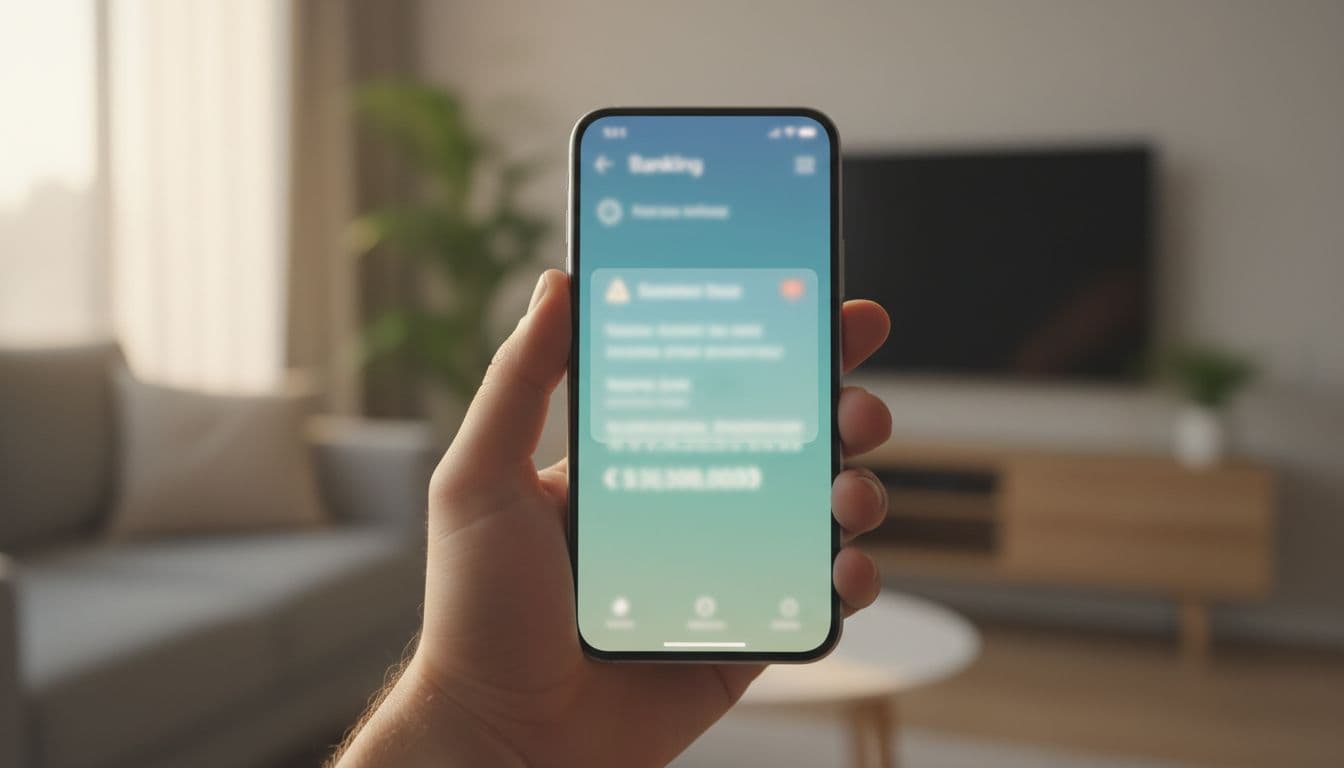 Scammers know that proof feels persuasive. So they send fake bank alerts, edited PayPal screenshots, or polished receipts that show money “sent.” Then they say the transfer is pending and ask you to send a smaller amount back.
This trick works because it creates urgency. You think money is already on the way, so the request seems harmless. In reality, no payment is coming.
Another version uses “over-payment.” He claims he sent too much and needs part returned through crypto, gift cards, or a transfer app. Once you send anything, it’s gone.
If money hasn’t landed in your account, it hasn’t been sent.
The most common fee scams, verification fees, clearance fees, and loyalty tests
These scams change names, but not logic. One person calls it an onboarding fee. Another calls it account activation, release clearance, tax processing, or a loyalty test.
The wording sounds formal on purpose. It makes a fake demand seem normal. Still, support should never start with you paying to receive it. If you want to know how to tell if he is real, this is one of the clearest tests.
In 2026, crypto traps are also common. A scammer may start with flattery, then shift into “investment help” or ask you to receive and return funds through digital coins. That’s not sugaring. It’s a financial trap.
Read the red flags in the profile, chat style, and timing
You can often spot a fake sugar daddy before the conversation gets far. Watch the profile, the pace, and the tone. Scammers tend to overbuild the image and under-deliver on detail. Wealthy men seeking companionship usually share more human details, while fakes prioritize flash over substance.
Signs the profile is built to look rich, not real

A fake profile usually sells wealth harder than personality. You see cars, watches, hotel suites, private jets, and almost nothing human. Maybe there are only a few photos. Maybe the bio is vague, copied, or oddly polished.
Brand-new accounts deserve extra care. So do profiles with images that look too perfect, too edited, or too generic. In 2026, AI-enhanced photos and polished fake personas are far more common, so “good-looking” no longer means “real.” While some see the sugar daddy dynamic as a historical phenomenon, the modern digital version often targets younger women with sophisticated fakes.
Also check whether the details feel lived-in. A real person usually shares a city, work style, schedule, and conversation that fit together, since a real transactional relationship still requires human connection. A fake account often stays broad because broad stories are easier to maintain.
Messages that move too fast are usually a warning sign
Scammers rush because time helps truth. The longer you talk, the more gaps appear.
So pay attention when someone starts with instant pet names, big weekly allowance promises, or intense praise before learning anything about you. That’s often love bombing with a payment angle attached.
The same goes for early pressure to leave the app. If he wants WhatsApp, Telegram, or text right away, slow down. Moving fast helps scammers avoid platform checks and reports.
If you’re learning how to spot a fake sugar daddy, tone matters as much as content. Pushy, vague, overly eager messages often tell you more than the profile does.
Use simple checks to see if he is real before you trust him
You don’t need a private investigator. You need a few calm checks, done early, before sharing personal details, private photos, or meeting in person. Begin on the platform by reviewing his membership status and account security features.
Ask for a live video call early, and watch how he responds
 A short video call is one of the best filters. It doesn’t need to be long. Five minutes is enough to confirm the face, voice, basic vibe, and legal age match the profile.
Pay close attention to how he reacts. A real sugar daddy online may be busy, but he won’t act offended by a normal request for proof. A scammer often stalls, avoids the camera, offers voice-only calls, or keeps inventing new excuses.
Because deepfakes and face-swap tricks exist, keep the call simple and live. Ask him to wave, turn his head, or answer a direct question in real time. Natural response matters more than polish.
Check photos, name, and story for consistency
Do the basics. Reverse image search profile photos. Search the name, city, or job title if he shares them. Compare what he says today with what he said yesterday. While some sites offer criminal background checks, manual verification is key for a potential sugar daddy.
Here are the checks that matter most:
- Run profile photos through a reverse image search.
- Compare age, city, work, and lifestyle claims across chats.
- Notice if small facts keep changing.
- Treat vague answers as a warning, not a mystery to solve.
A scam often breaks on simple review. The photo belongs to someone else. The job doesn’t line up. The timeline shifts. That’s usually enough.
Frequently Asked Questions
How can I tell if a sugar daddy is real online?
Start with the biggest truth: real sugar daddies do not ask you to pay first. Real behavior includes clear expectations, respectful boundaries, and the ability to verify identity in normal ways. If money is requested upfront, or if there are fake screenshots, over‑payments, or tests, it’s a scam.
What are the common red flags that a sugar daddy might be fake?
Watch for flashy profiles with stock luxury images, rushed chats with instant promises or pet names, and pressure to leave the app. Profiles that look too perfect, lack human details, or show inconsistent information are warning signs. Quick escalation to outside apps also signals potential fakery.
What simple checks can I perform to verify he is real before trusting him?
Ask for a live video call early and see how he responds. Do reverse image searches on photos, and compare age, city, and work claims across chats. Look for consistency in stories and details, and treat vague answers as a warning rather than a mystery to solve.
What should I do if he pressures me to move to WhatsApp or share personal information?
Slow down and keep talks on the platform until trust is built through verification. If he pressures you to move off the app or share personal data, that’s a clear sign to walk away and protect your privacy.
What steps help protect me while seeking a genuine arrangement?
Keep personal information private until trust is earned, use a separate email or number at first, and choose safer platforms with profile checks and reporting tools. Block and report at the first sign of trouble, and remember that the moment someone asks for money or sensitive documents, stop replying and protect your money and time.
Video courtesy of the Sugar Daddy Channel on YouTube.
Protect yourself while looking for a genuine arrangement
Spotting fake behavior is half the job. The other half is lowering risk, even when a potential sugar daddy seems kind, patient, and believable.
Keep your personal information private until trust is earned
Use a separate email or number at first. Keep your home address, workplace, bank details, ID, private photos, and all personal information to yourself until trust is proven over time.
This matters because scams don’t always start with money. Some start with data collection, blackmail, or sextortion. A person who gets intimate photos or personal information too early can use them for pressure later.
Privacy is not rude. It’s smart. Someone real will respect that.
Choose safer platforms and know when to block and report
Start on platforms like Sugarbook with profile checks, face verification, and reporting tools. Always read the terms of service, privacy policy, and prohibited activities to understand the rules and stay safe. Random DMs on social media carry more risk because anyone can build a fake identity there. Genuine arrangements for sugar babies; they focus on agreed arrangement that improve quality of life and provide access to luxury goods.
The moment someone asks for money, crypto, gift cards, banking access, billing information, or sensitive documents, stop replying. Then block and report. Don’t argue, explain, or try to win the point. Scammers work volume, and hesitation helps them.
If a profile feels off, that’s enough reason to walk away. You don’t owe a stranger more access than they’ve earned.
Pressure, excuses, and upfront payment requests are the clearest signs the person isn’t real. Respect, steady behavior, and slow trust are what a genuine connection looks like.
The safest choice is often the simplest one. If something feels off, leave early and protect your time, your privacy, and your money.
Meet successful sugar daddies and confident sugar babies on the world’s leading sugar dating app. Join free today.